
Table Of Content
- Google’s Nano Banana 2: Full Review and How to Use It
- Introduction
- What Is Nano Banana 2?
- How to Access Nano Banana 2
- Architecture and Resolution Upgrades
- Table Overview of Nano Banana 2
- Key Features of Nano Banana 2
- 4K Generation and Zoom Consistency
- Combining Multiple Images Into One Scene
- Aspect Ratio Options While Composing
- Text Rendering on Images: Alignment, Perspective, and Spelling
- Practical Workflow: Ads and UGC-Style Scenes
- Prompt Following and Multi-Step Validation
- Step-by-Step: Create Your First Image With Nano Banana 2
- Step-by-Step: Combine Multiple Images Into a Studio-Style Ad
- Tips for Better Text on Images
- When to Use Aspect Ratios and 4K
- What I Noticed Compared to Nano Banana 1
- Troubleshooting and Best Practices
- Summary and Final Thoughts
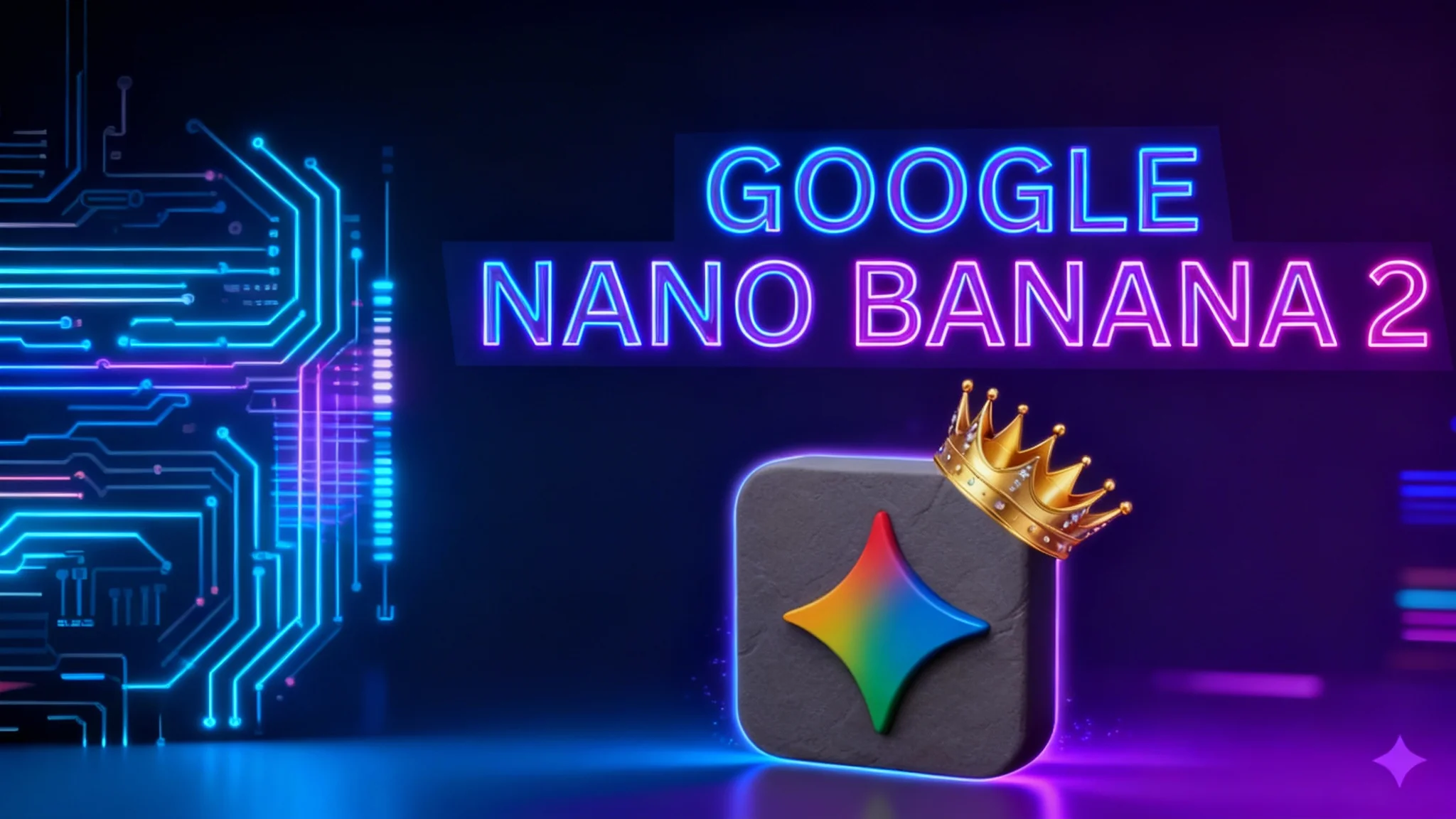
Google Nano Banana 2 Review: How to Access, 4K Examples
Table Of Content
- Google’s Nano Banana 2: Full Review and How to Use It
- Introduction
- What Is Nano Banana 2?
- How to Access Nano Banana 2
- Architecture and Resolution Upgrades
- Table Overview of Nano Banana 2
- Key Features of Nano Banana 2
- 4K Generation and Zoom Consistency
- Combining Multiple Images Into One Scene
- Aspect Ratio Options While Composing
- Text Rendering on Images: Alignment, Perspective, and Spelling
- Practical Workflow: Ads and UGC-Style Scenes
- Prompt Following and Multi-Step Validation
- Step-by-Step: Create Your First Image With Nano Banana 2
- Step-by-Step: Combine Multiple Images Into a Studio-Style Ad
- Tips for Better Text on Images
- When to Use Aspect Ratios and 4K
- What I Noticed Compared to Nano Banana 1
- Troubleshooting and Best Practices
- Summary and Final Thoughts
Google’s Nano Banana 2: Full Review and How to Use It
Introduction
Google’s latest AI image model, Nano Banana 2 (also called Nano Banana Pro in the Gemini interface), is a major step up for creating high-quality visuals inside the Gemini app. It adds true 4K generation, better prompt following, strong text rendering on images, and the ability to combine several inputs into one consistent scene. If you create ads, posters, or product visuals, this update matters.
In this walkthrough, I’ll show you how to access Nano Banana 2, explain what changed from version 1, and outline the key features that make day-to-day work faster and more reliable. I’ll also share what my tests revealed about 4K quality, zoom consistency, multi-image composition, and text alignment inside generated images.
By the end, you’ll know exactly how to start, what settings to use, and the practical strengths that set Nano Banana 2 apart for production workflows.
What Is Nano Banana 2?
Nano Banana 2 is Google’s new image generation model available inside the Gemini interface. It’s built on top of the Gemini 3 family, which brings stronger reasoning for prompt understanding and multi-step instructions. The result is better adherence to complex scene descriptions and smoother iteration.
Beyond reasoning, the standout upgrade is image fidelity. Nano Banana 2 finally adds true 4K outputs, many more aspect ratios, and improved detail retention when you refine or zoom into parts of a scene. It also improves text on images—both alignment and spelling—which is critical for ads, posters, and product layouts.
If you already use Gemini for creative work, Nano Banana 2 fits right in. You can open it from the Create images tool and start generating visuals immediately with higher resolution and more consistent outputs.
How to Access Nano Banana 2
Follow these steps to get started inside Gemini:
- Go to gemini.google.com.
- If you don’t have access yet, sign up for Google’s AI Pro plan. At the time of recording, the first month was free, and student access was available.
- Once you’re in, open the main Gemini dashboard. You should see a prompt to try Nano Banana Pro for images.
- Click Try now or select Tools, then Create images. That switches the interface to image generation and enables the Nano Banana model for your session.
Tips:
- If the interface starts in chat mode, switch to image mode using the Create images option.
- You can manage prompts, aspect ratios, and resolution directly in the Create images flow.
Architecture and Resolution Upgrades
The biggest changes from Nano Banana 1 to Nano Banana 2 come from the model foundation and output fidelity.
- Model architecture: Nano Banana 2 is built on Gemini 3. Nano Banana 1 was based on Gemini 2.5 (Flash Image). The upgrade improves prompt understanding, consistency across multi-step instructions, and detail retention.
- Resolution: Nano Banana 2 supports 4K outputs. Nano Banana 1 did not, and that alone changes how sharply you can present products, text, and fine textures without external upscalers.
In practice, these upgrades show up in more accurate compositions, better handling of follow-up prompts, and higher-quality details when you zoom into specific regions.
Table Overview of Nano Banana 2
| Category | Nano Banana 2 |
|---|---|
| Access | Gemini app (Create images) |
| Model Base | Gemini 3 |
| Max Resolution | 4K |
| Aspect Ratios | Broad support (e.g., 9:6, 2:3, 1:1, 5:4, 16:9, 21:9) |
| Multi-Image Input | Up to six images combined |
| Text on Images | Improved alignment, perspective, and spelling |
| Prompt Following | Strong multi-step adherence and validation |
| Use Cases | Ads, posters, product scenes, UGC-style visuals |
| Availability | Requires Gemini access (AI Pro recommended) |
Key Features of Nano Banana 2
- 4K image generation: Clean, crisp outputs suitable for print, marketing, and detailed product visuals.
- Strong multi-step prompting: Reliable follow-through on iterative instructions and zoom requests.
- Multi-image composition: Combine multiple inputs into one scene with consistent style and lighting.
- Rich aspect ratio support: Generate for social, print, and widescreen formats without post-cropping.
- Text rendering on images: Better spelling, alignment, and perspective for posters and ad layouts.
Under real workloads, these features reduce rework and make it easier to move from concept to final creative in fewer iterations.
4K Generation and Zoom Consistency
4K generation is the headline upgrade because it improves fine textures, edges, and micro details that often fall apart at lower resolutions. In my tests, small surfaces and intricate patterns stayed sharp, even after several rounds of refinement.
The model also handles progressive zoom prompts well. When you ask to zoom further into a region and maintain quality, Nano Banana 2 keeps the core structure and improves detail where it counts. The outputs look consistent across steps, which helps when you’re building a sequence or refining a single focal area.
If you produce product shots or hero images, that combination—4K plus stable zoom-in refinement—is exactly what you need to ship assets without heavy post-processing.
Combining Multiple Images Into One Scene
Nano Banana 2 can compose up to six input images into a single, coherent output. You can upload product angles, props, or people and instruct the model to arrange them into a studio-style layout.
What stands out here is that the model:
- Preserves brand colors and material qualities across inputs.
- Understands relationships between objects and places them logically.
- Holds onto the source identity of people and products better than before.
This is ideal for user-generated content themes and product advertising, where you often need multiple items presented together in a clear, cohesive format.
Aspect Ratio Options While Composing
You can set aspect ratios during or after composition. Supported ratios include:
- 9:6, 2:3, 1:1
- 5:4, 16:9, 21:9
Combined with 4K outputs, these ratios let you generate platform-specific versions—square for feeds, vertical for stories, widescreen for web headers—without cropping away important content.
Text Rendering on Images: Alignment, Perspective, and Spelling
Text on images is historically difficult for image models. Nano Banana 2 improves here in several ways:
- Lettering stays aligned with perspective lines in the scene.
- Spelling is more accurate across titles, taglines, and callouts.
- Logos and wordmarks sit more naturally on curved or angled surfaces.
For ad posters, product sleeves, billboards, and UI mockups, that reliability saves time. You can prompt for specific phrases, placement, and style, then iterate on color, size, and layout with fewer manual edits.
If you build ads frequently, this improvement is one of the most practical day-to-day gains.
Practical Workflow: Ads and UGC-Style Scenes
Nano Banana 2 shines in automated or semi-automated workflows for ad creative and UGC-style images. A common pattern is:
- Provide a primary product photo.
- Add supporting images (props, environments, or people).
- Prompt for a scene that matches your brand’s tone and lighting style.
- Specify text overlays, placement, and any logo treatment.
- Generate multiple aspect ratios at 4K for distribution across platforms.
When I followed this process, the model kept product details intact and arranged scenes in a way that matched the prompt. The result is a faster path to on-brand visuals without a large amount of post-production.
Prompt Following and Multi-Step Validation
Nano Banana 2 is much better at following step-by-step instructions. You can request a base image, then refine specific areas across several prompts—zoom into a region, adjust the lighting on a subject, or tweak text placement—and the model maintains context across steps.
What this means:
- Iterative edits feel consistent instead of random.
- Specific adjustments (e.g., focus on a detail, change a material’s finish, adjust framing) carry through correctly.
- Multi-step validation is stronger, so the final image reflects the entire instruction chain you provided.
For complex scenes, this reduces back-and-forth and lets you direct the model as you would a creative collaborator.
Step-by-Step: Create Your First Image With Nano Banana 2
Here’s a simple flow to generate and refine a high-quality image:
- Open Gemini and select Create images.
- In your prompt, describe the scene, style, lighting, and camera framing. Add “4K” if you want maximum fidelity.
- Generate the first version and review composition.
- Issue follow-up prompts for targeted refinements (e.g., adjust background lighting, change camera angle, or sharpen a focal area).
- If needed, upload additional images (up to six) and ask the model to compose them into one cohesive layout.
- Set your aspect ratio targets (e.g., 1:1 for feeds, 16:9 for web, 5:4 for print) and regenerate variants.
Tips:
- Be explicit about placement and relationships between objects.
- Keep instructions in small, clear steps for consistent results.
- If text is involved, specify exact wording, font style guidance, and alignment.
Step-by-Step: Combine Multiple Images Into a Studio-Style Ad
To build a composed scene from several inputs:
- Upload your product photos and any supporting visuals (e.g., people or props).
- Prompt for an ad-style composition with clean lighting, neutral shadows, and your preferred background.
- Ask for clear placement: who holds what, where each object sits, and which elements should be in the foreground.
- Specify colors that must match brand guidelines.
- Set your target aspect ratios and resolution (4K recommended) and generate.
The model will read each input, maintain the important details, and arrange them in a natural layout. Iterate to fine-tune lighting, shadows, and text placement.
Tips for Better Text on Images
To take advantage of Nano Banana 2’s improved text handling:
- Provide exact phrasing and case (e.g., all caps vs. title case).
- Mention the surface and perspective where the text should sit (flat poster, angled sign, curved label).
- Include placement (top-left, centered, bottom-right) and size relative to other elements.
- If a logo is included, specify the spacing and alignment with any tagline.
These instructions reduce ambiguity and help the model keep text consistent across variants and aspect ratios.
When to Use Aspect Ratios and 4K
Aspect ratios are best set with intent:
- 1:1 for social feed posts.
- 16:9 for web headers, hero banners, and videos.
- 2:3 or 5:4 for print and catalog layouts.
- 21:9 for ultra-wide screens and immersive headers.
For final assets, 4K is the right choice. If you’re drafting, you can start at a lower resolution for speed, then scale to 4K once layout and content are locked. Using 4K early helps if fine textures, text elements, or micro details are central to the design.
What I Noticed Compared to Nano Banana 1
In the context of the previous version, I observed improvements in:
- Prompt accuracy: Fewer missed details and more consistent follow-through across steps.
- Text quality: Better spelling, placement, and perspective on surfaces.
- Composition from multiple inputs: Stronger identity preservation and more natural object relationships.
- Aspect ratio flexibility: More presets available straight from the model.
- Resolution: 4K native outputs without external upscaling.
If you struggled with text fidelity or multi-step edits before, these changes address the core issues that impacted production use.
Troubleshooting and Best Practices
If the first result misses the mark, try these adjustments:
- Break instructions into smaller steps: generate, review, refine.
- Clarify relationships and actions (e.g., who holds which item, where each object sits).
- Name the focal point clearly to guide the model’s attention.
- Keep prompts consistent across variants to avoid drift.
- For text, restate exact phrasing and alignment in each refinement step.
These practices keep the model on track and reduce variation that doesn’t serve your goal.
Summary and Final Thoughts
Nano Banana 2 brings three practical upgrades that matter most in real projects: 4K image generation, reliable text rendering on images, and strong multi-step prompt adherence. Add to that multi-image composition and flexible aspect ratios, and you have a model that fits ad creative, product visuals, posters, and UGC-style scenes.
Access is simple inside Gemini’s Create images tool, and the workflow is straightforward: prompt, review, refine, and export in the aspect ratios you need. If you’re building creative pipelines or automations, the consistency and fidelity here are a clear improvement over the previous version.
Start with a few focused prompts, test variants across your key aspect ratios, and lock in a workflow that gets you from concept to final assets with fewer revisions. Nano Banana 2 makes that process direct, fast, and dependable.
Subscribe to our newsletter
Get the latest updates and articles directly in your inbox.

Related Posts
8 Best Claude Code Plugins in 2026 (You Need to Know)
8 Best Claude Code Plugins in 2026 (You Need to Know)
7 Best Claude Code Skills (You Need to Know)
7 Best Claude Code Skills (You Need to Know)
Claude Code Desktop IDE Features (You Need to Know)
Claude Code Desktop IDE Features (You Need to Know)