
What is Google UCP? Universal Commerce Protocol Explained
As the AI bubble continues to grow, discussions often revolve around AGI and potential job losses. However, in my opinion, the focus should remain on business value. One company leading in this area is Google, along with Anthropic and a few other Chinese labs. In this article, I will explain Google's Universal Commerce Protocol (UCP) and provide a hands-on demonstration.
Understanding the Problem
Consumers today expect seamless transitions from product discovery to final purchase within their current conversational context. Unfortunately, traditional infrastructure leads to integration bottlenecks, requiring businesses to build separate connections for each consumer surface they wish to support. This complexity hinders the adoption of agentic commerce experiences.
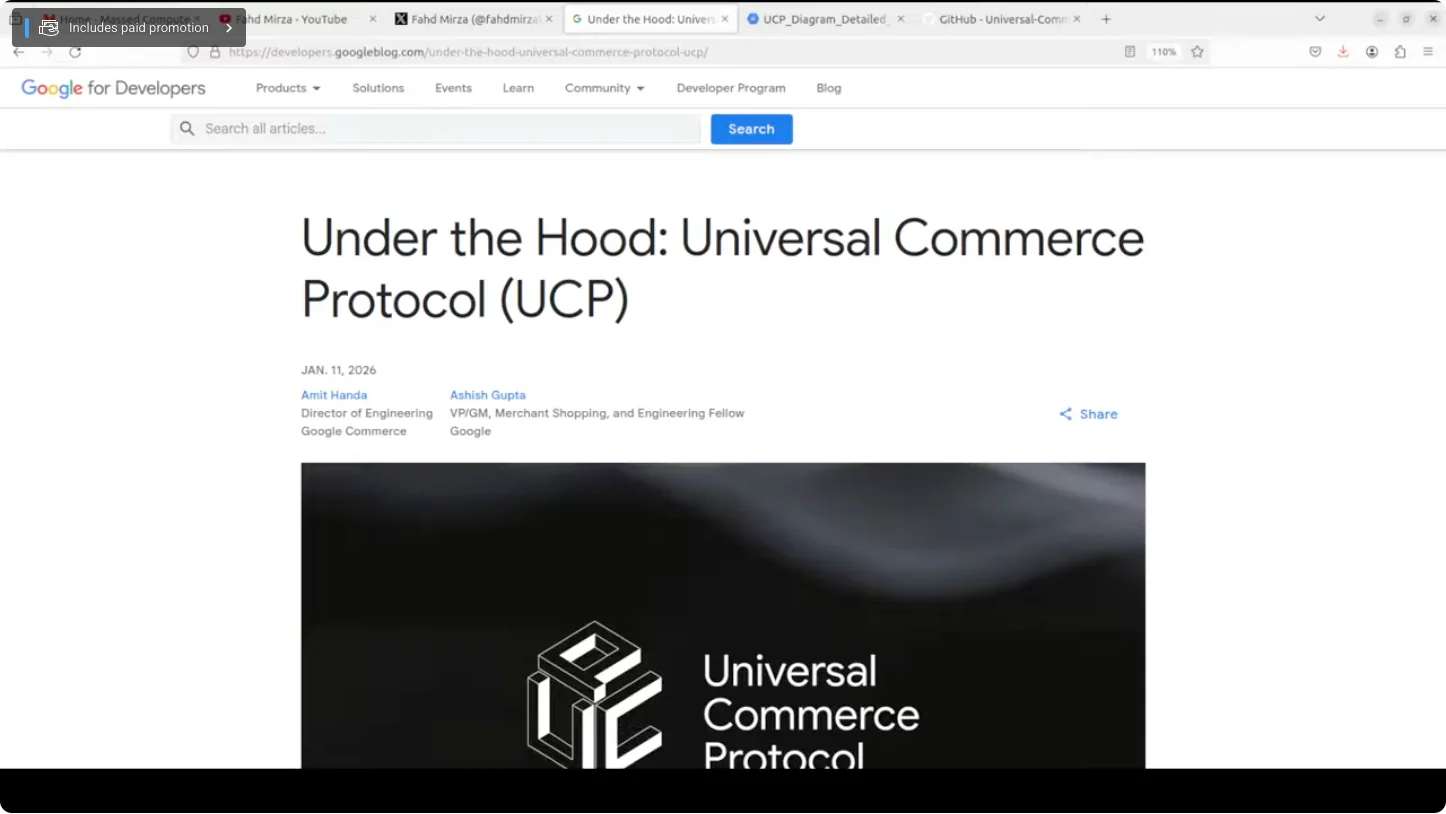
Introducing UCP
UCP addresses this issue by collapsing the complexity into a single integration point. It enables businesses to connect once and be accessible across all participating consumer surfaces. This development by Google is a significant step towards extracting business value from AI technologies.
UCP Architecture
The architecture of UCP includes several key components:
-
Capabilities and Extensions: Core commerce building blocks such as checkout, product discovery, order management, and identity linking. Businesses can choose to support extensions like discounts and fulfillment, which augment these capabilities with specialized functionality.
-
Discovery Mechanism: Businesses publish a JSON manifest at a well-known UCP endpoint. This manifest declares their supported services, capabilities, and payment configurations, allowing agents to dynamically discover offerings without hard-coded integrations.
-
Communication Methods: UCP supports various methods like REST API, model context, and agent-to-agent, providing flexibility in communication.
How It Works
- Discovery: An agent queries the business endpoint to discover available capabilities.
- Checkout Session: The agent creates a checkout session by sending product details, buyer information, and available payment handlers.
- Session Updates: The agent can update the checkout session by applying discount codes and modifying quantities.
- Transaction Completion: The agent completes the transaction using the selected payment handler.
- Post-Purchase Capabilities: These handle order tracking, fulfillment updates, and webhooks.
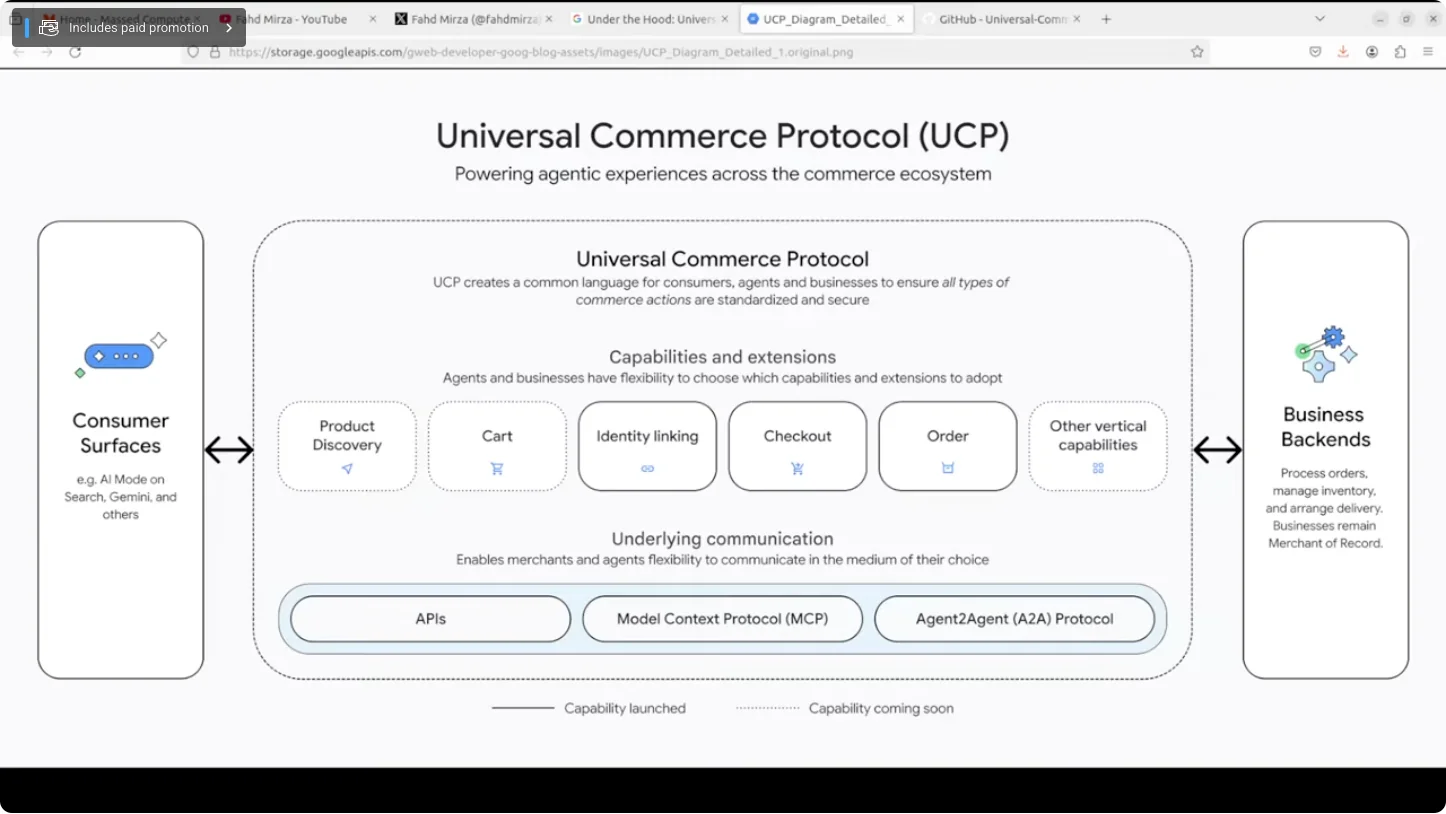
This flow efficiently extracts business value and simplifies the consumer experience.
Hands-On Demonstration
To demonstrate UCP, Google has provided a GitHub repository to clone and run a sample. Here is a step-by-step guide:
- Setup: Create a virtual environment and install the necessary packages.
- Create Directories: Set up a workspace and SDK directories, then clone the repository.
- Launch the Server: Run the server in the background and verify the UCP endpoint.
- Checkout Process:
- Create a checkout session and obtain a checkout ID.
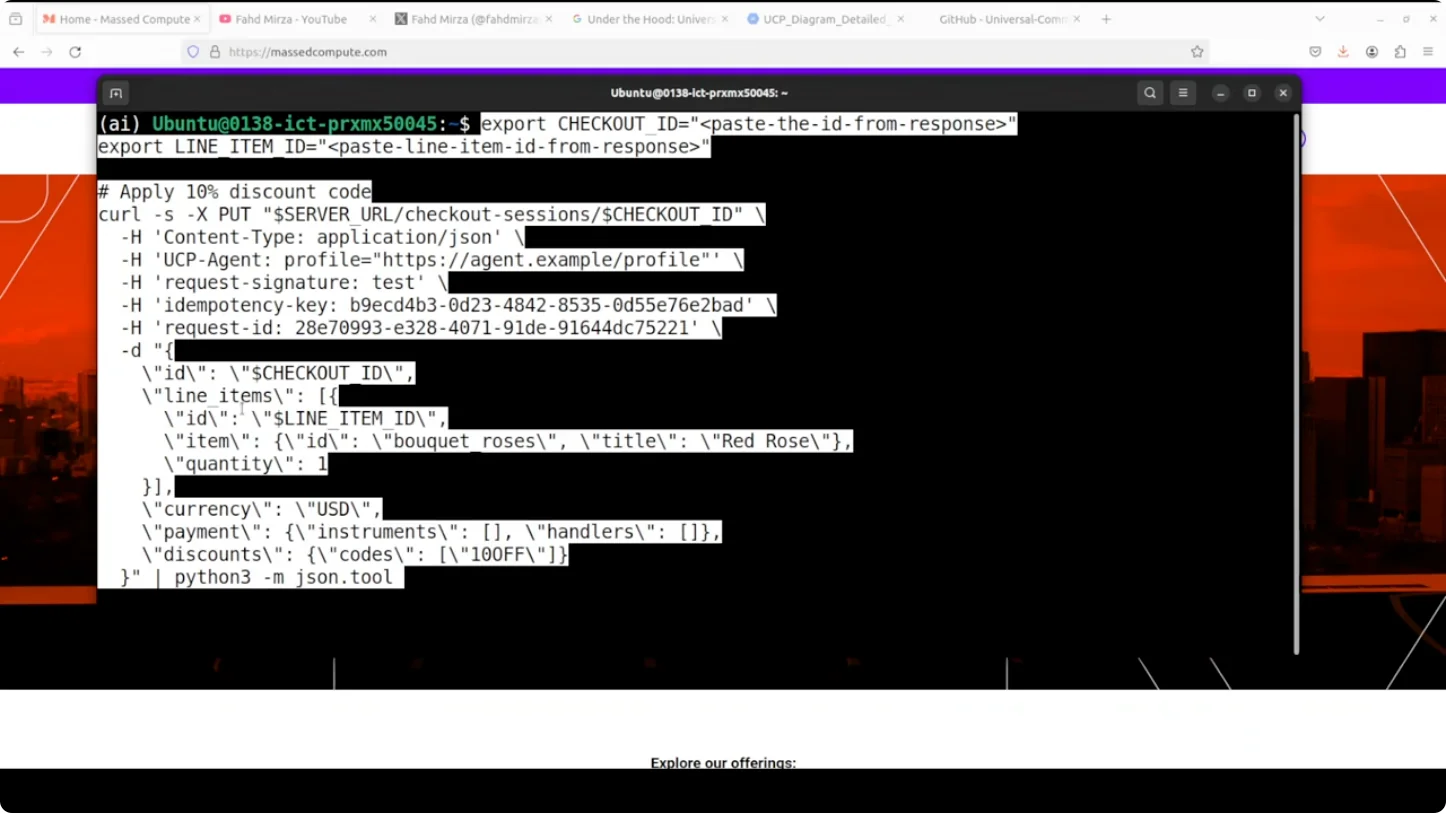
- Apply discounts using simple API endpoints.
- Complete the transaction.
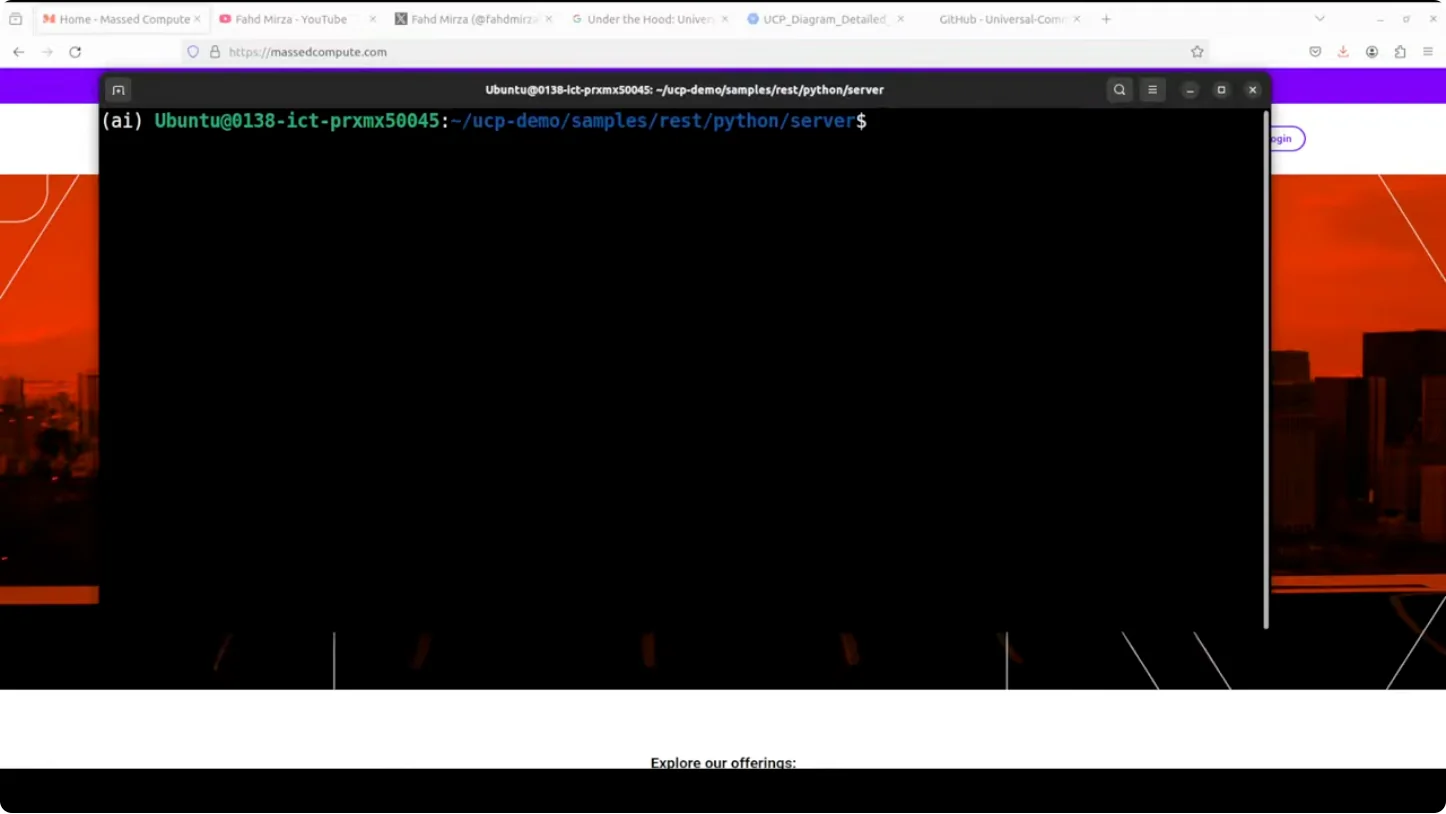
Throughout this process, UCP showcases its ability to integrate once and reach every AI shopping surface, eliminating the need for custom development for each platform. This transformation turns the end-to-end integration challenge into a standardized protocol.
Final Thoughts
Google's UCP offers significant business value by simplifying the integration process across consumer surfaces. By adopting UCP, businesses can overcome the complexities of traditional infrastructure and enhance their commerce experiences.
Subscribe to our newsletter
Get the latest updates and articles directly in your inbox.

Related Posts

8 Best Claude Code Plugins in 2026 (You Need to Know)
8 Best Claude Code Plugins in 2026 (You Need to Know)
7 Best Claude Code Skills (You Need to Know)
7 Best Claude Code Skills (You Need to Know)
Claude Code Desktop IDE Features (You Need to Know)
Claude Code Desktop IDE Features (You Need to Know)