
Table Of Content
- Installing and Running KugelAudio Open: European Open-Source TTS That Surpasses ElevenLabs
- First Run and Basic TTS
- Voice Cloning Results
- Multilingual Trials in KugelAudio Open: European Open-Source TTS That Surpasses ElevenLabs
- Bulgarian and Reference Voice
- Danish, French, Spanish, Italian, and German
- Portuguese With Voice Cloning
- Dutch, Russian, Ukrainian, Czech Republic
- Hungarian and Romanian
- Turkish
- Emotions, Singing, and Styles
- Final Thoughts
KugelAudio Open: European Open-Source TTS That Surpasses ElevenLabs
Table Of Content
- Installing and Running KugelAudio Open: European Open-Source TTS That Surpasses ElevenLabs
- First Run and Basic TTS
- Voice Cloning Results
- Multilingual Trials in KugelAudio Open: European Open-Source TTS That Surpasses ElevenLabs
- Bulgarian and Reference Voice
- Danish, French, Spanish, Italian, and German
- Portuguese With Voice Cloning
- Dutch, Russian, Ukrainian, Czech Republic
- Hungarian and Romanian
- Turkish
- Emotions, Singing, and Styles
- Final Thoughts
European viewers have had every right to complain. While English TTS has soared ahead with commercial giants like ElevenLabs, anyone wanting high quality voice synthesis in German, Polish, or dozens of other European languages has faced slim pickings in the open-source world. This is where KugelAudio Open is trying to help. It's a new entry that's worth paying attention to.
In human preference testing, it outperformed ElevenLabs with a 78% win rate. That shows open-source models can now compete with the best proprietary systems in the industry. This model is built on Microsoft's Vibe voice architecture and trained on 200,000 hours of speech data from 23 European languages. The language list is quite comprehensive for Europe and I am more than sure it will grow.
Installing and Running KugelAudio Open: European Open-Source TTS That Surpasses ElevenLabs
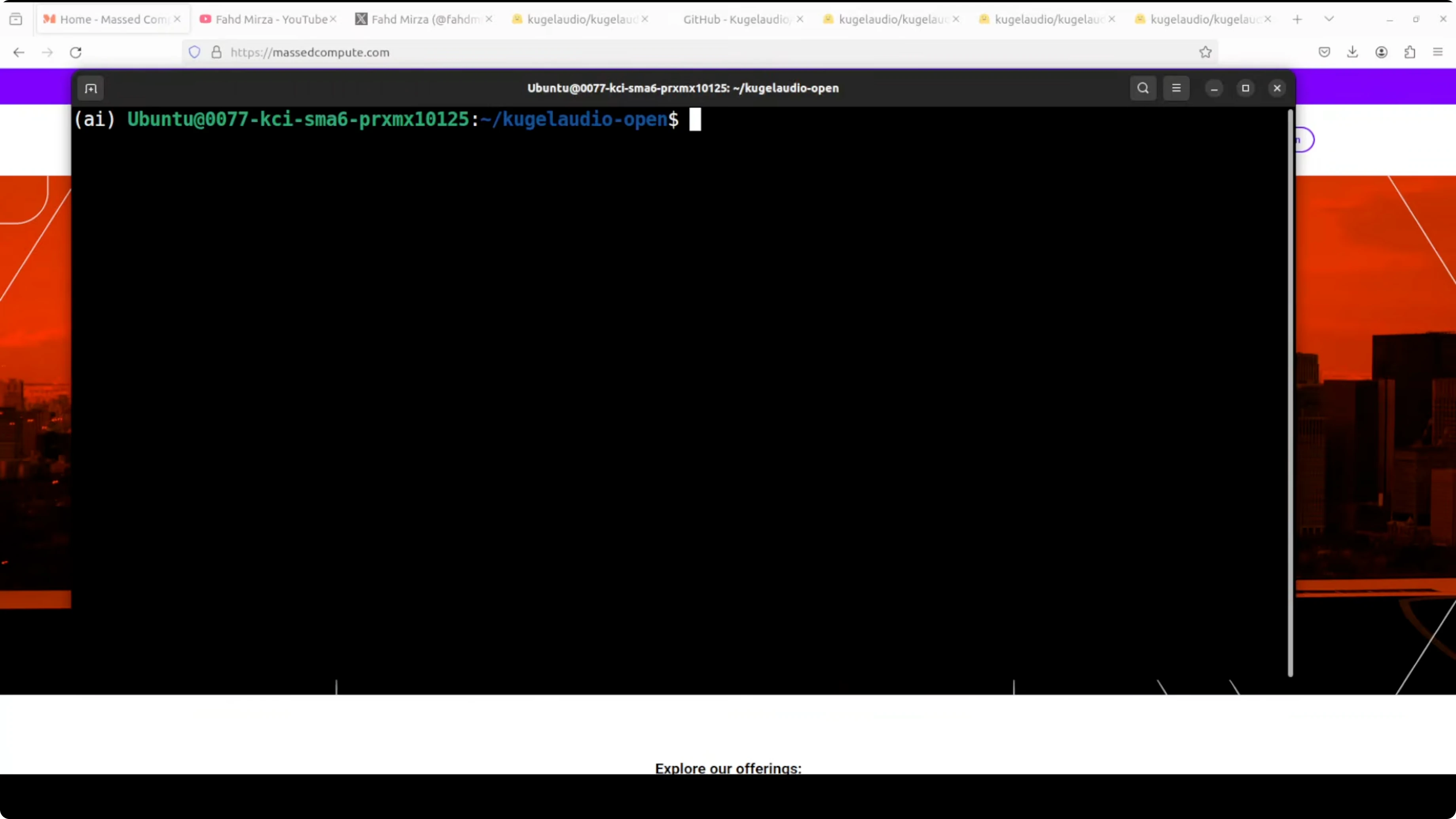
I used an Ubuntu system with an Nvidia RTX A6000 GPU and 48 GB of VRAM. During generation, it consumed close to 19 GB of VRAM. The model is a bit large, but the quality is quite good, so make sure you have enough VRAM to run it.

Step-by-step:
- Clone the KugelAudio Open repo.
- Install the dependencies.
- From the root of the repo, start the Gradio demo.
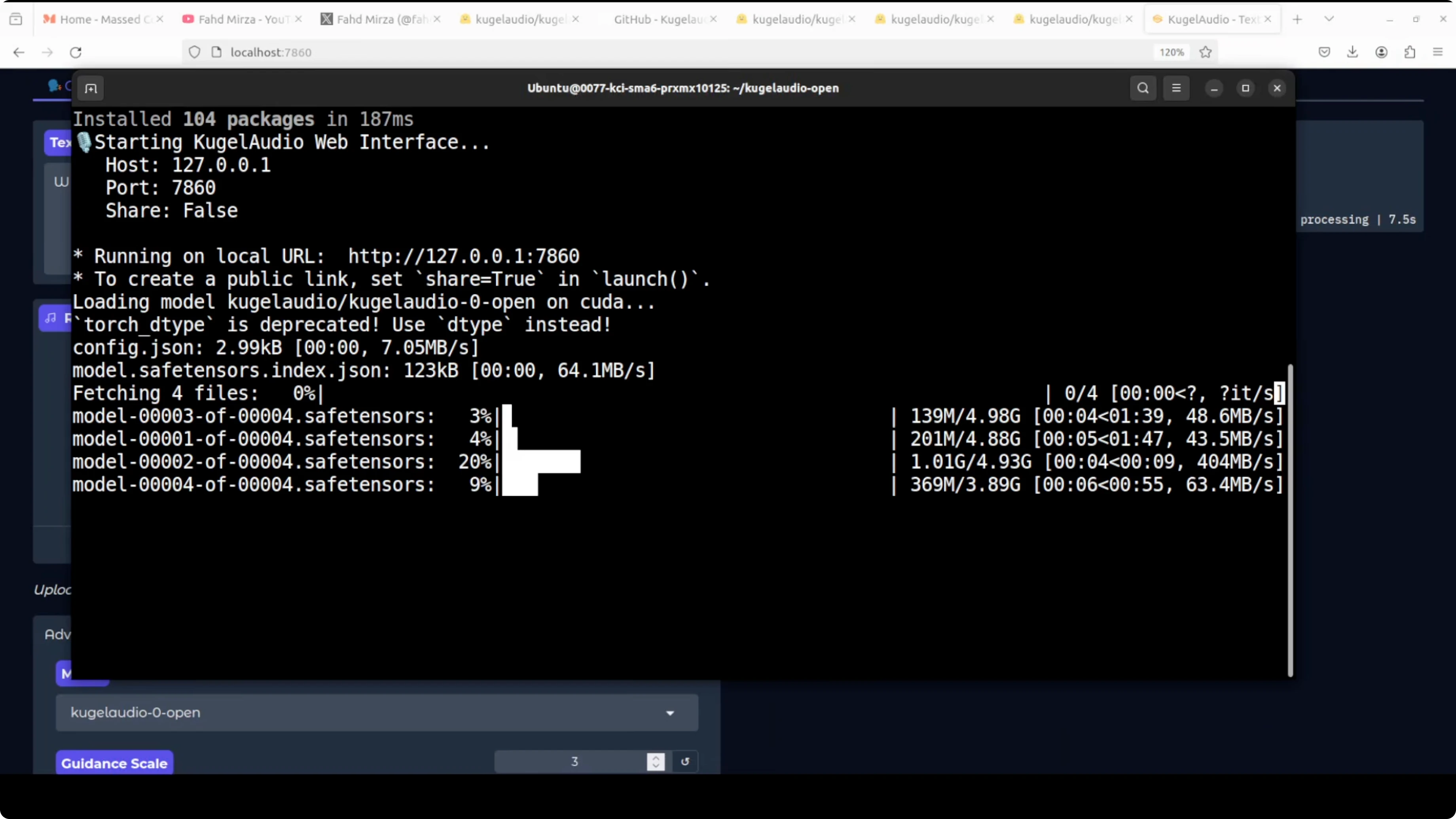
- Access the local web interface at port 7860 in your browser.
First Run and Basic TTS
The first run downloads the model. I started with a Polish text tongue twister to stress pronunciation and rhythm. The system synthesized it cleanly as a simple text-to-speech test.
Voice Cloning Results
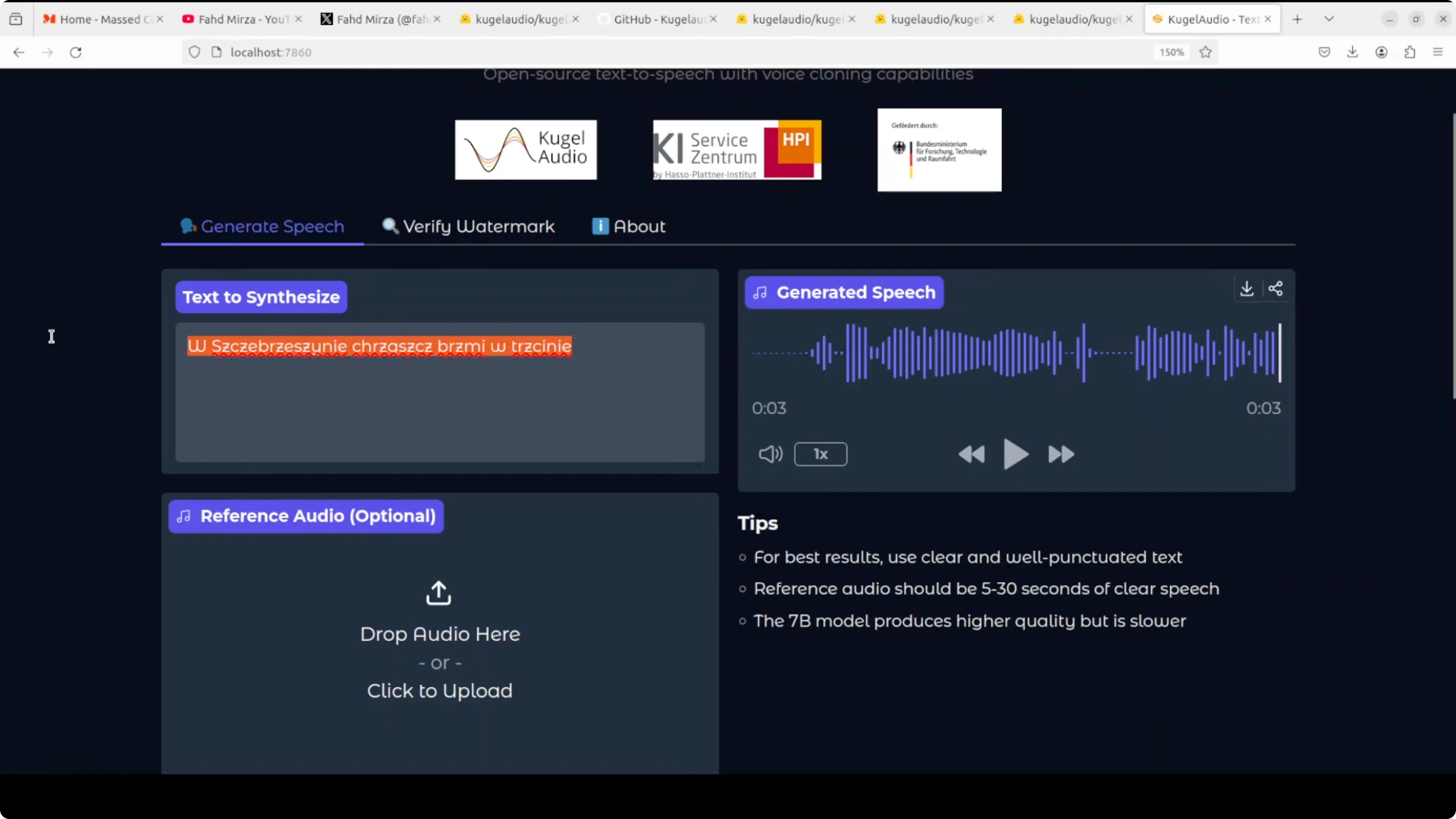
I uploaded a 5 to 30 second reference audio clip of good quality and generated a clone on a new sentence:
- The cloning sounded perfect to my ear. Really good cloning.
- I also tried verifying the watermark on generated audio. The checker reported no watermark detected and could not confirm generation. That feature was not working for me.
Multilingual Trials in KugelAudio Open: European Open-Source TTS That Surpasses ElevenLabs
Bulgarian and Reference Voice
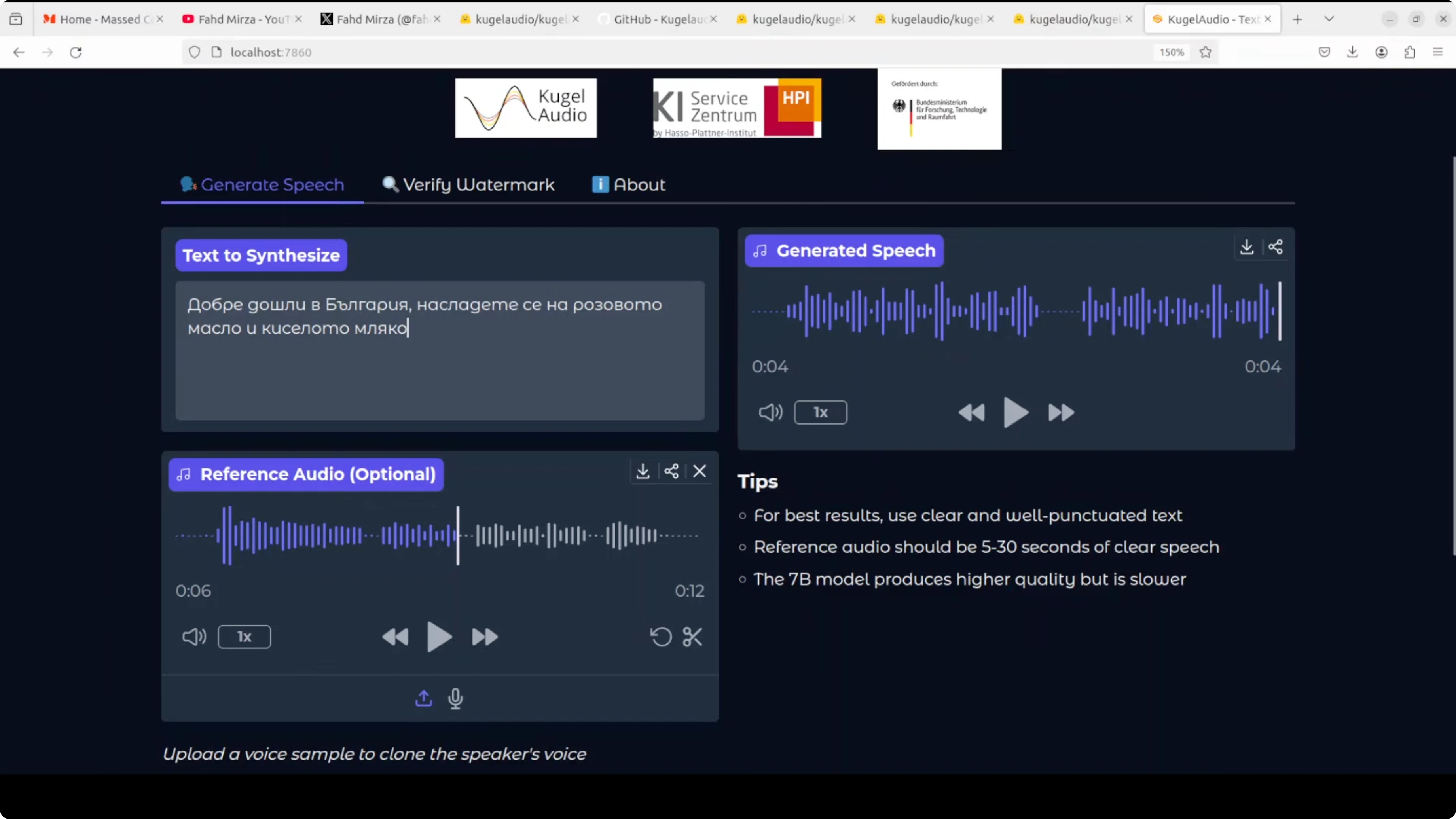
I generated Bulgarian on a short text about rose oil and yogurt using my own voice as the reference. Even though the reference audio quality was not great, it did quite a good job. The claim that it is at par or even better than ElevenLabs does not seem far-fetched to me, but I will let you be the judge.
Danish, French, Spanish, Italian, and German
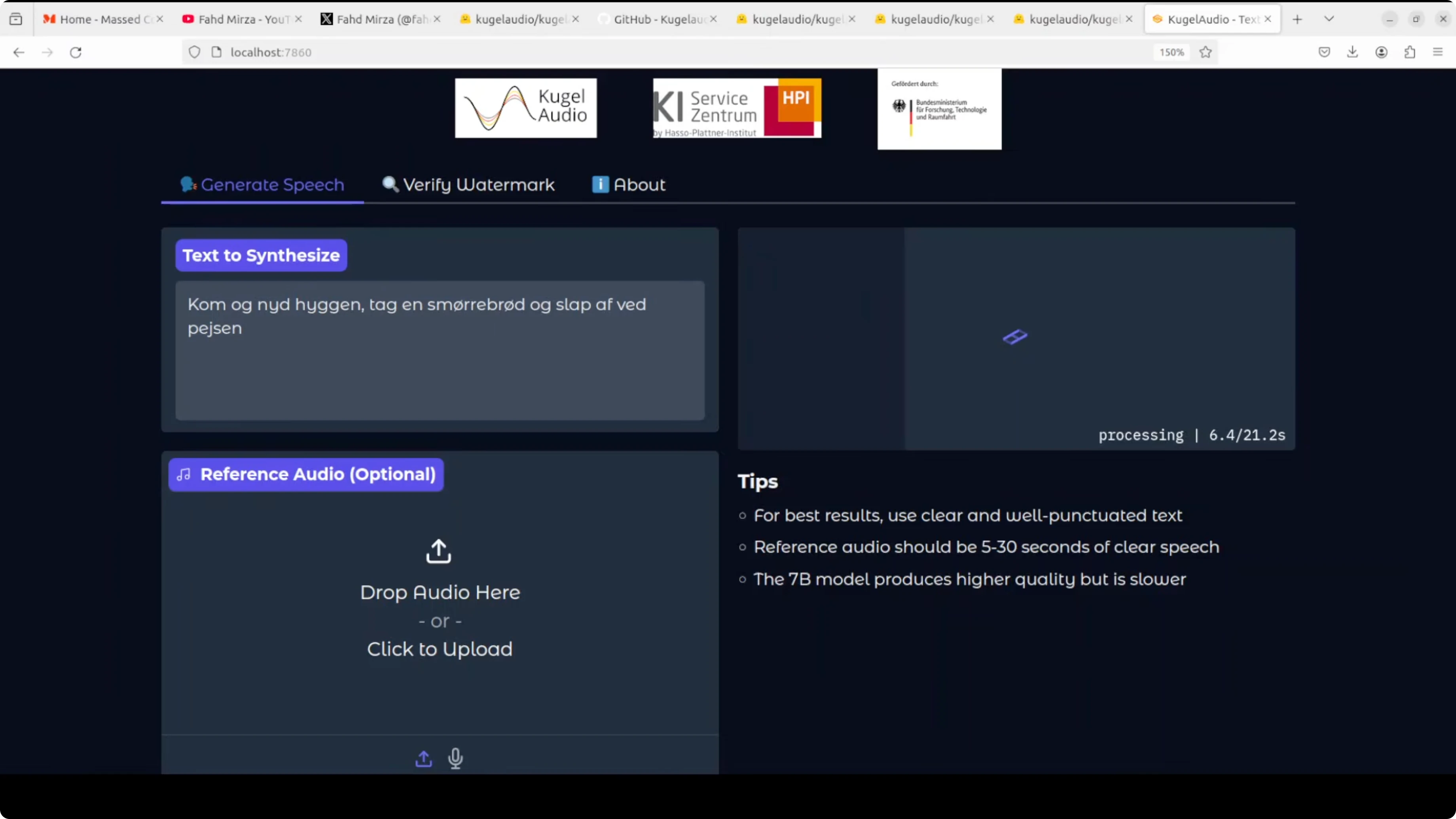
- Danish: looks good.
- French: solid.
- Spanish: pretty good.
- Italian: not bad at all.
- German: not bad.
As per the model card, quality varies significantly by language. Spanish, French, English, and German have the strongest representation in the training data. Other languages may have reduced quality, prosody, or vocabulary depending on data availability.
Portuguese With Voice Cloning
I supplied a Portuguese reference audio and generated new Portuguese. Voice cloning here is really very good. This is one of the best I have seen this year.
Dutch, Russian, Ukrainian, Czech Republic
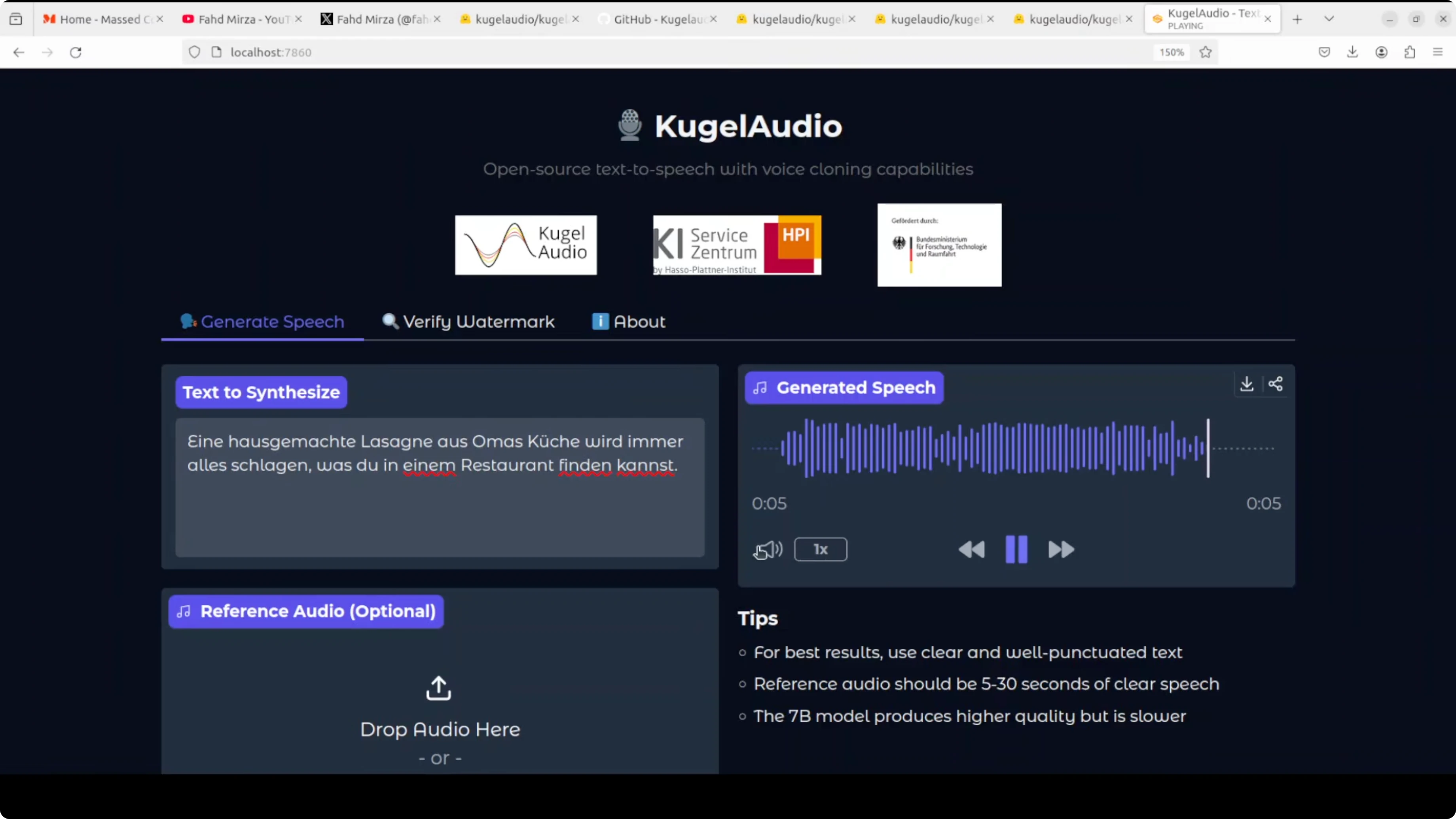
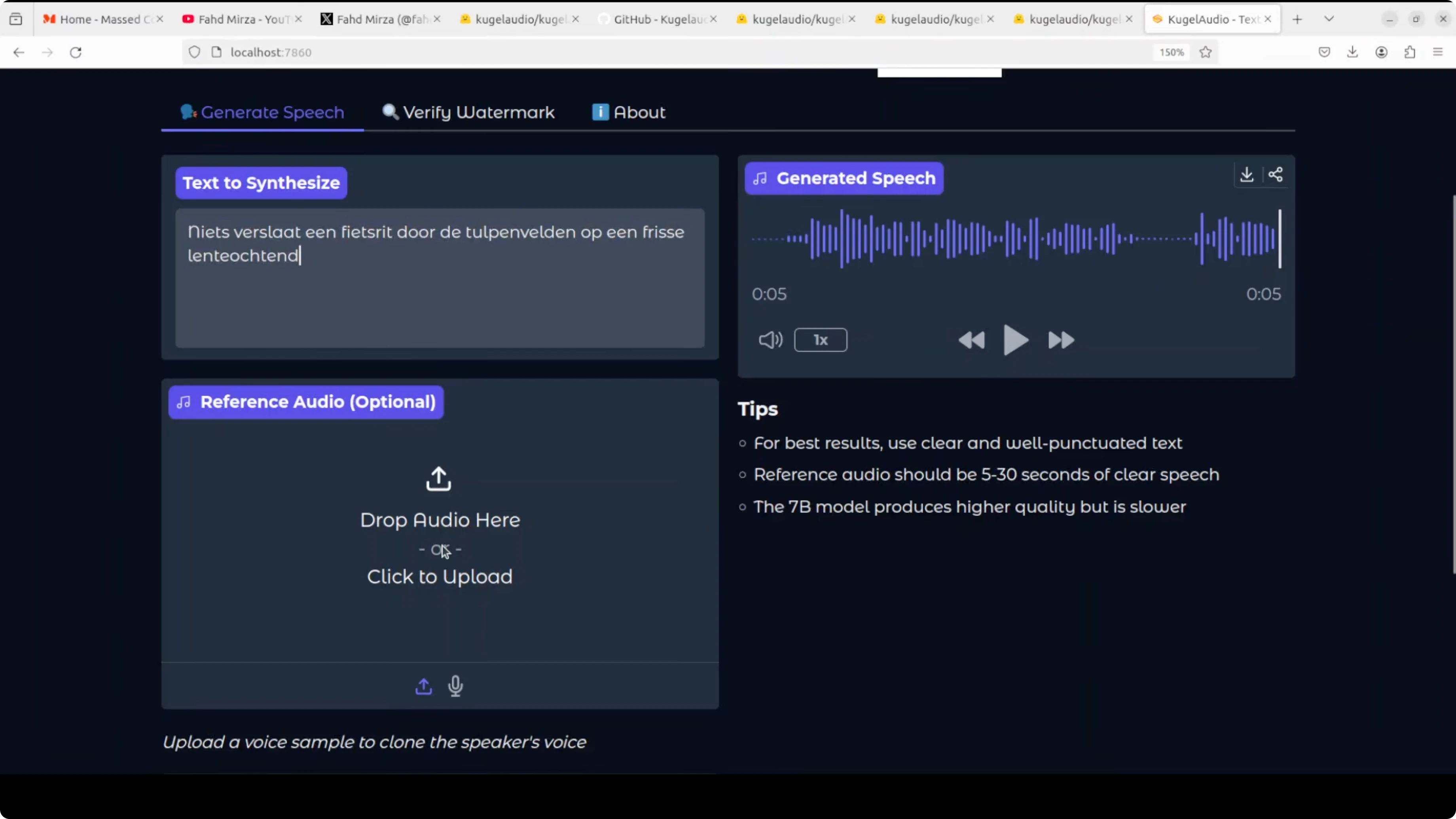
I ran Dutch, Russian, Ukrainian, and Czech Republic samples. Results were consistently good and natural across these tests.
Hungarian and Romanian
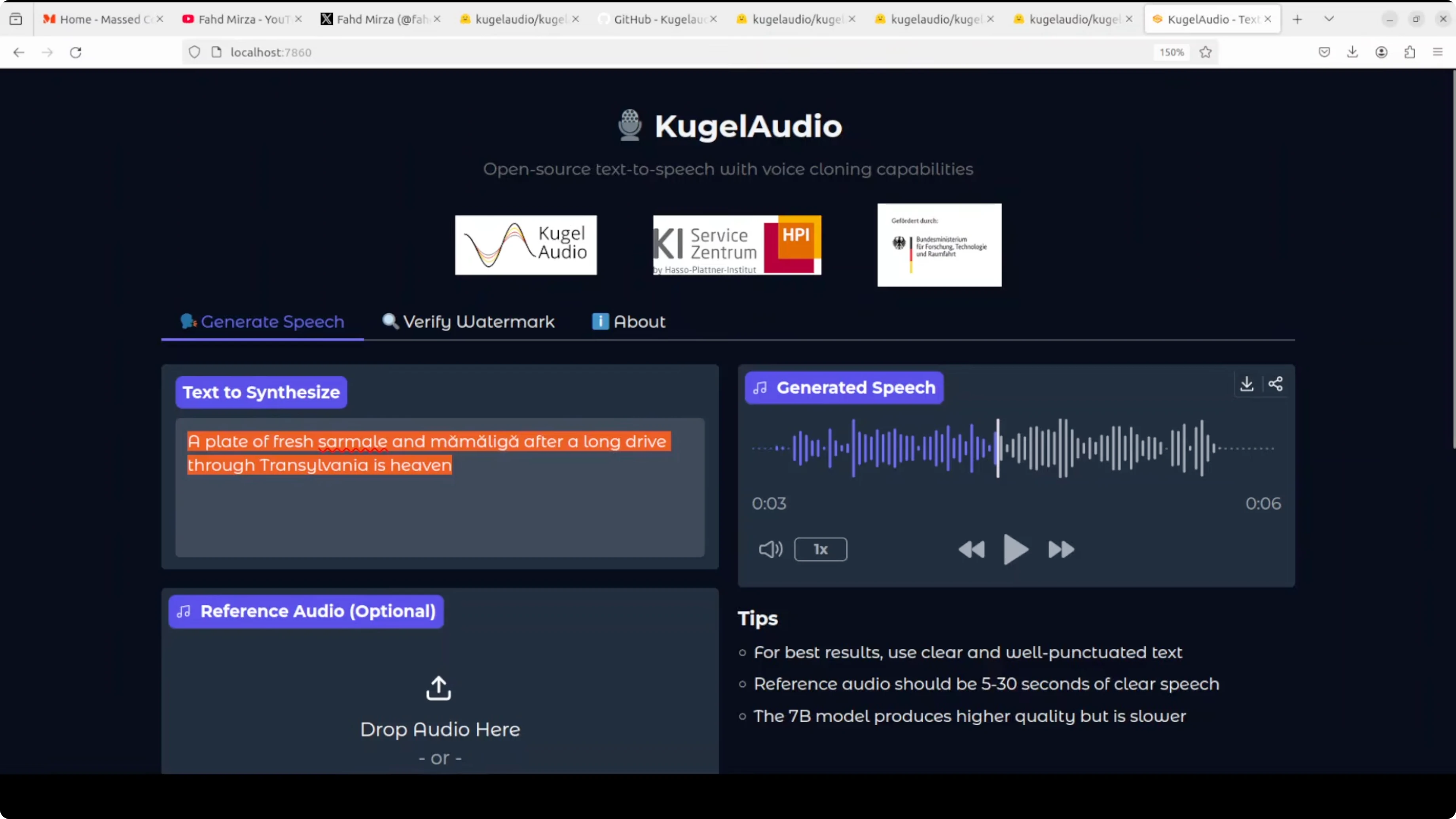
I initially mixed up a Romanian prompt with Hungarian, then corrected it:
- Hungarian: looks great.
- Romanian: generated cleanly after the correction.
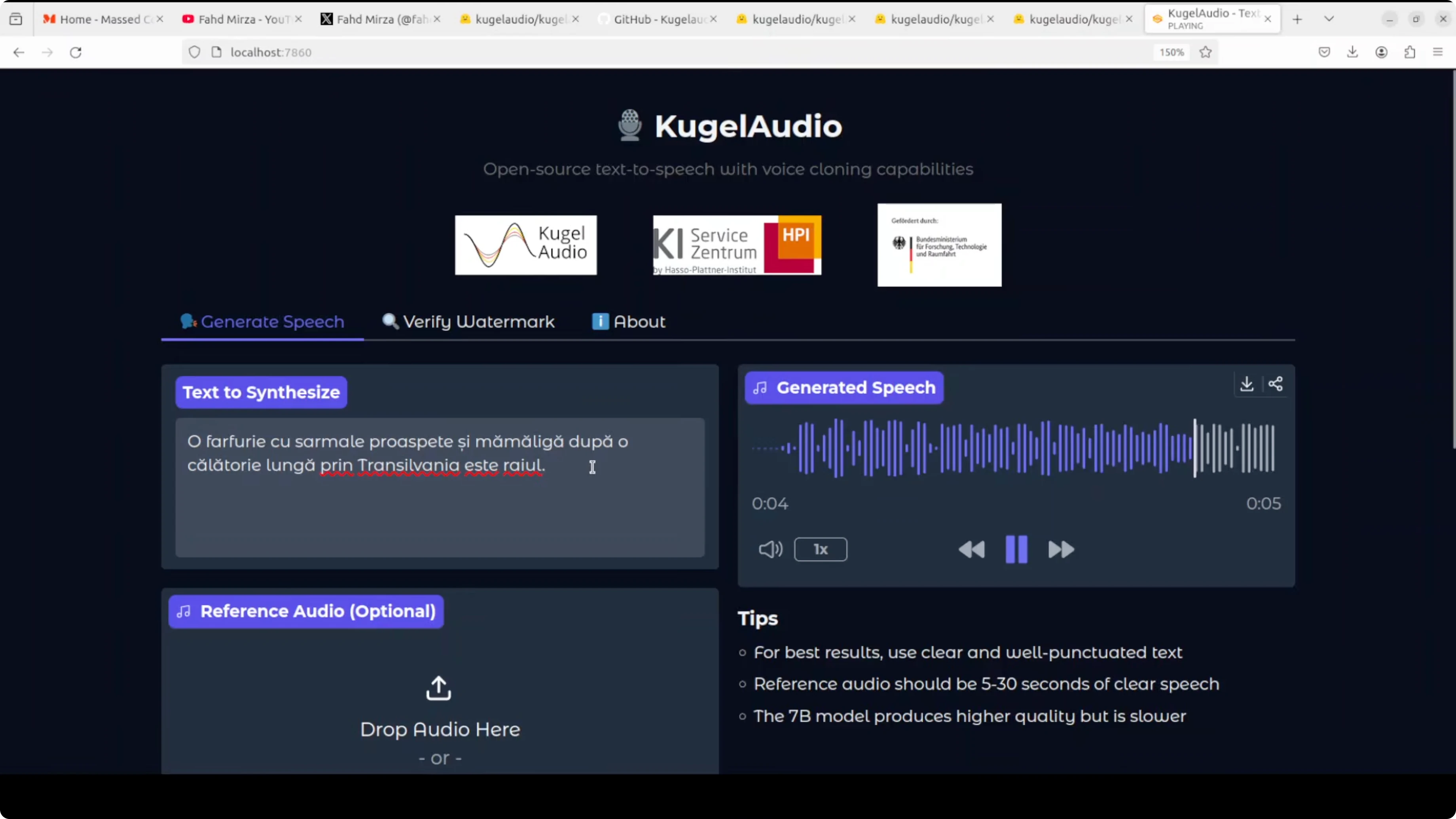
Turkish
I generated Turkish on a short sample. The output held up well.
Emotions, Singing, and Styles
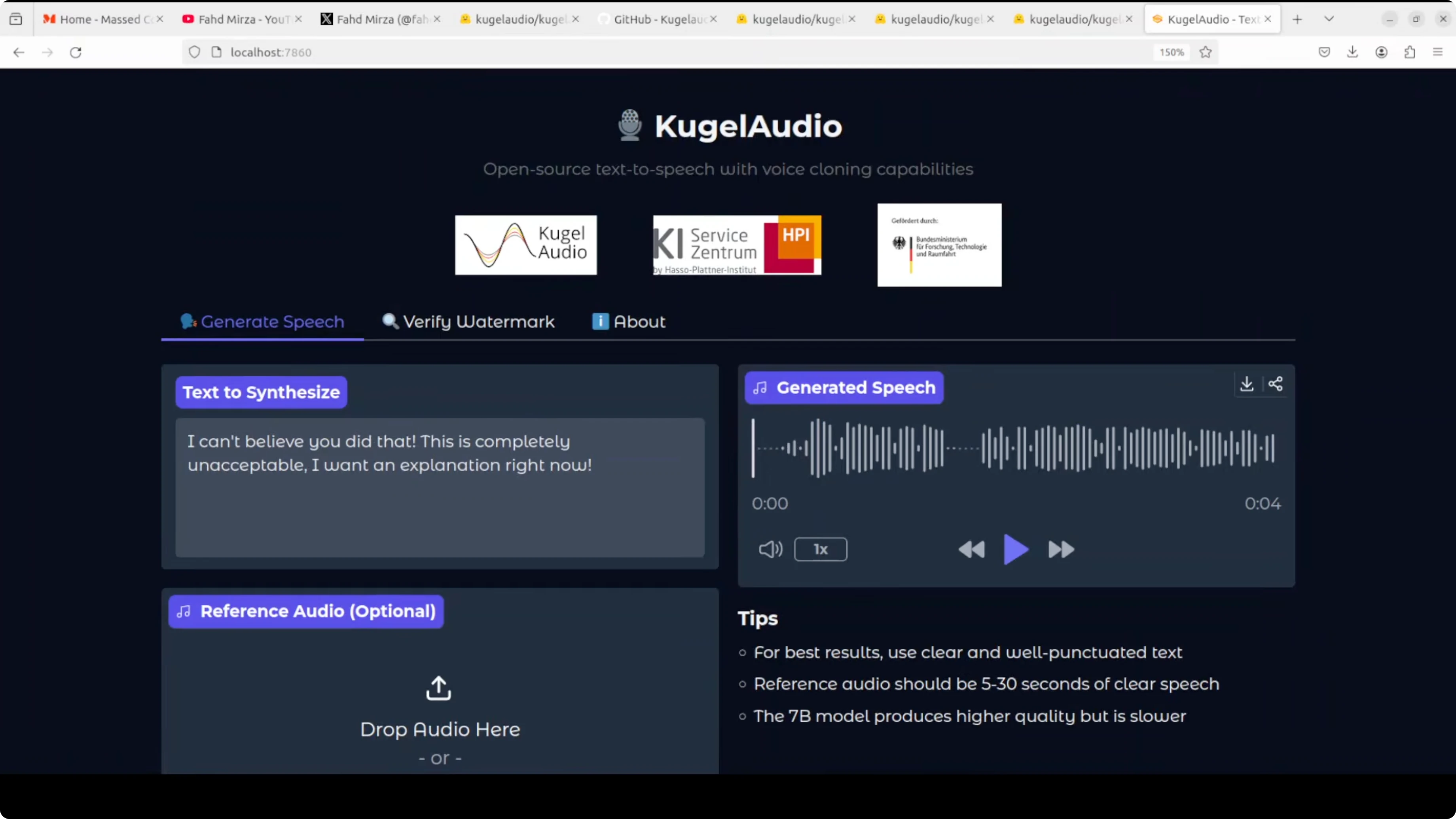
Because it is based on web voice from Microsoft, it can do emotion:
- Angry line: good.
- Singing: I tried "Twinkle, Twinkle Little Star." There was some melody in the style of Vibe voice. Not there yet, but not bad at all.
- Shouting: not bad.
- Radio announcer or podcaster style: really good.
Final Thoughts
KugelAudio Open brings strong open-source text-to-speech to European languages. In my tests, it delivered high-quality multilingual synthesis and excellent voice cloning, with human preference results indicating a 78% win rate over ElevenLabs. It does need significant GPU memory, and quality varies by language based on training data coverage. Emotions and styles are already effective, while singing shows promise but needs work. Overall, this is one of the best voice cloning experiences I have seen this year.
Subscribe to our newsletter
Get the latest updates and articles directly in your inbox.

Related Posts

8 Best Claude Code Plugins in 2026 (You Need to Know)
8 Best Claude Code Plugins in 2026 (You Need to Know)
7 Best Claude Code Skills (You Need to Know)
7 Best Claude Code Skills (You Need to Know)
Claude Code Desktop IDE Features (You Need to Know)
Claude Code Desktop IDE Features (You Need to Know)